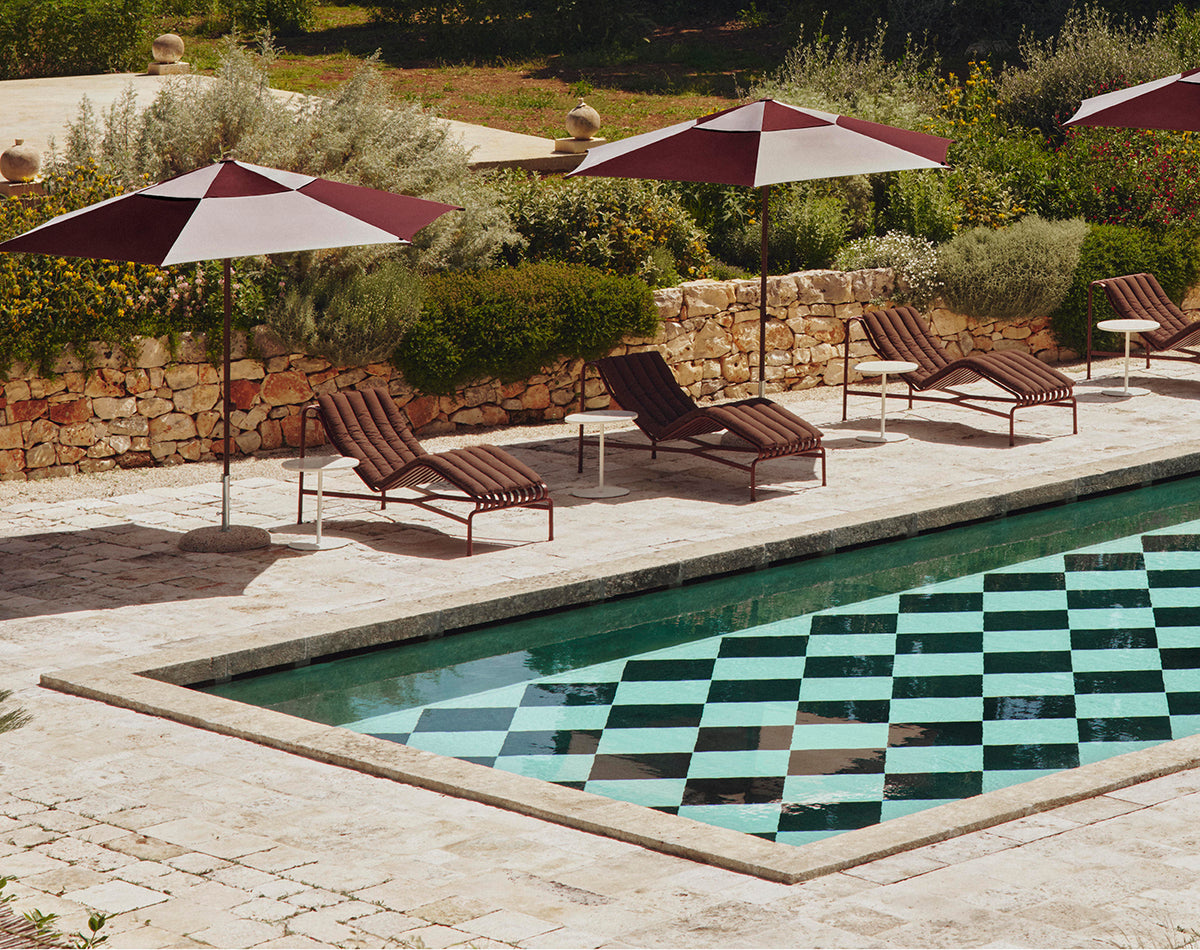
Outdoor furniture in Britain needs to cope with more than the occasional shower. The right choice depends on exposure, drainage, storage and how quickly you want the space to be ready when the weather improves. Start with the setting and materials before deciding on colour.
How will you use the outdoor space?
Decide whether the priority is dining, relaxed seating or a flexible mix. A dining table needs level ground and room for chairs to move. Lounge seating is more forgiving but usually occupies a deeper footprint. On a small balcony, one comfortable chair and a compact table may be more useful than trying to reproduce a full garden set.
Think about frequency as well as capacity. Furniture used by two people most days should not be dominated by the needs of a large gathering that happens twice a year. Folding chairs, stacking designs or benches can provide occasional extra seating without filling the space permanently.
What materials cope well with British weather?
No outdoor material is completely maintenance-free. Powder-coated or galvanised metal, outdoor-suitable timber and weather-resistant synthetic materials each behave differently, and the individual product guidance should determine care.
Metal furniture is often slim and easy to clean, but chips in a protective finish should be dealt with according to the manufacturer’s instructions. Timber changes colour outdoors and may require cleaning or treatment depending on the species and finish. This weathering can be part of its character, but it should be understood before purchase.
Do not assume that a product described as outdoor furniture can be left uncovered indefinitely in every location. Coastal air, exposed rooftops, tree sap and standing water create different conditions from a sheltered urban terrace.
Can outdoor furniture stay outside all year?
Some frames are intended to remain outdoors, but winter storage or a suitable cover can still reduce cleaning and weathering. Cushions usually need a dry, ventilated storage place when not in use, even when their fabric is designed for outdoor conditions.
Follow the product-specific instructions. If using a cover, make sure air can circulate and water cannot pool on top. Covering furniture while it is damp may trap moisture rather than protect it.
How much space does an outdoor dining set need?
Mark the table on the ground, then add space for occupied chairs and a route around them. Boundaries, planting and steps make the usable area smaller than the overall patio dimensions.
Benches can seat several people with a relatively simple footprint and tuck close to a table. Individual armchairs are easier to access but require more width. Check the location of table legs and umbrella bases as well as the top dimensions.
What works in a small garden or balcony?
Choose pieces that earn their space. Stackable chairs, folding tables, stools that double as side tables and benches without broad arms all increase flexibility.
Check weight and wind exposure on balconies. Very light furniture may need secure storage during poor weather, while heavy pieces can be difficult to move through the property. Confirm any building rules and load restrictions that apply to the space.
Do outdoor cushions need special care?
Outdoor textiles are designed to perform differently from indoor upholstery, but they still benefit from prompt cleaning and dry storage. Brush away loose dirt and follow the stated method for washing or spot treatment.
Check whether covers are removable and whether the inner cushion is intended to get wet. Allow every part to dry fully before storing it, and never substitute general waterproofing treatments without confirming compatibility.
Where should outdoor furniture be positioned?
Observe the garden at the times you are most likely to use it. Morning sun, evening shade, wind and glare can make the theoretically obvious position less comfortable.
Make sure chair and table feet stand securely. Uneven paving or soft ground can make narrow legs unstable, while poor drainage leaves furniture sitting in water. Protect sensitive surfaces and check whether the feet or glides are appropriate.
Choosing furniture that lasts
Buy for the setting you have: its exposure, storage and everyday number of users. Good care begins with allowing furniture to drain and dry, keeping cushions protected and following the material-specific instructions.
Make the most of time outdoors. Explore our outdoor furniture, including dining, lounge and compact seating for different kinds of space.