A lounge chair can provide a comfortable place to read, make better use of an awkward corner or complete a seating area. The right choice depends on how you want to sit, how much space the chair can occupy and whether it will be used occasionally or every day.
What will the lounge chair be used for?
Begin with the activity. A reading chair benefits from a supportive back, a comfortable head position and a nearby light. A chair used for conversation can be more upright, while one intended for long, relaxed evenings may need a deeper seat and an ottoman.
Think about who will use it most. Seat height, arm height and the effort required to stand up can matter as much as softness.
How much room does a lounge chair need?
Measure the chair’s complete width and depth, including angled legs, arms and any reclined back. Mark the footprint on the floor, then leave room to walk around it without clipping a corner.
A swivel chair also needs clearance through its full movement. If you plan to add a footstool, measure the two pieces as one arrangement and allow a comfortable gap between them.
Should the seat be upright or relaxed?
Seat height and depth shape the way a chair feels. A higher, shallower seat tends to support a more upright posture; a low, deep seat encourages lounging. The angle of the back and firmness of the cushion are equally important.
Compare the dimensions with a chair you already find comfortable. If possible, sit for several minutes and check whether your feet are supported, the front edge presses behind your knees or the arms sit naturally beneath your elbows.
Do you need an ottoman?
An ottoman can turn a supportive chair into a more relaxed seat and may also provide occasional extra seating. It is useful when a fixed reclined position would take up too much room, because it can be moved aside when not needed.
Check that its height works with the chair and that there is sufficient floor space for both pieces without narrowing a route through the room.
Which upholstery is right?
Leather, wool and woven textiles each age differently. Consider direct sunlight, pets, children and how often the chair will be used. A textured or softly mottled fabric is often forgiving; leather develops patina but requires the care specified by its manufacturer.
Always view a sample in the room. Colour and texture can change noticeably between daylight and evening light.
How should it relate to the sofa?
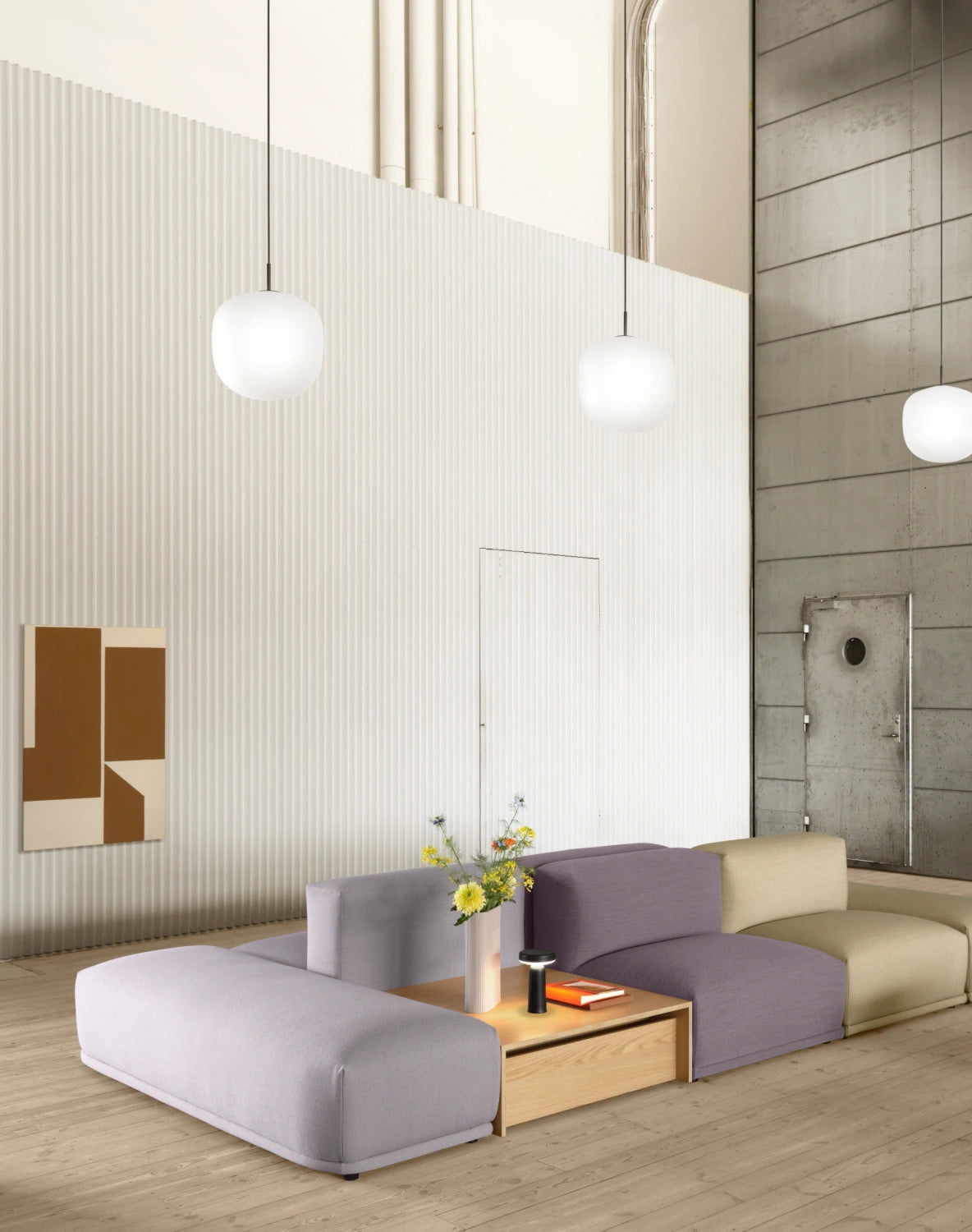
The chair need not match the sofa. A shared colour, material or visual weight is usually enough to make the pieces feel connected. Pairing a broad sofa with a lighter-framed chair can keep the room open; two substantial pieces may suit a larger space.
Position the chair so it participates in the room rather than facing only the television. A small side table and well-placed floor lamp will make it considerably more useful.
Choosing your lounge chair
Decide how you want to sit, confirm the full footprint and choose upholstery for the way the chair will actually be used. Comfort and scale should be resolved before colour or finish.
Find a chair worth settling into. Explore our lounge chair collection, or contact us for help comparing dimensions, materials and comfort.