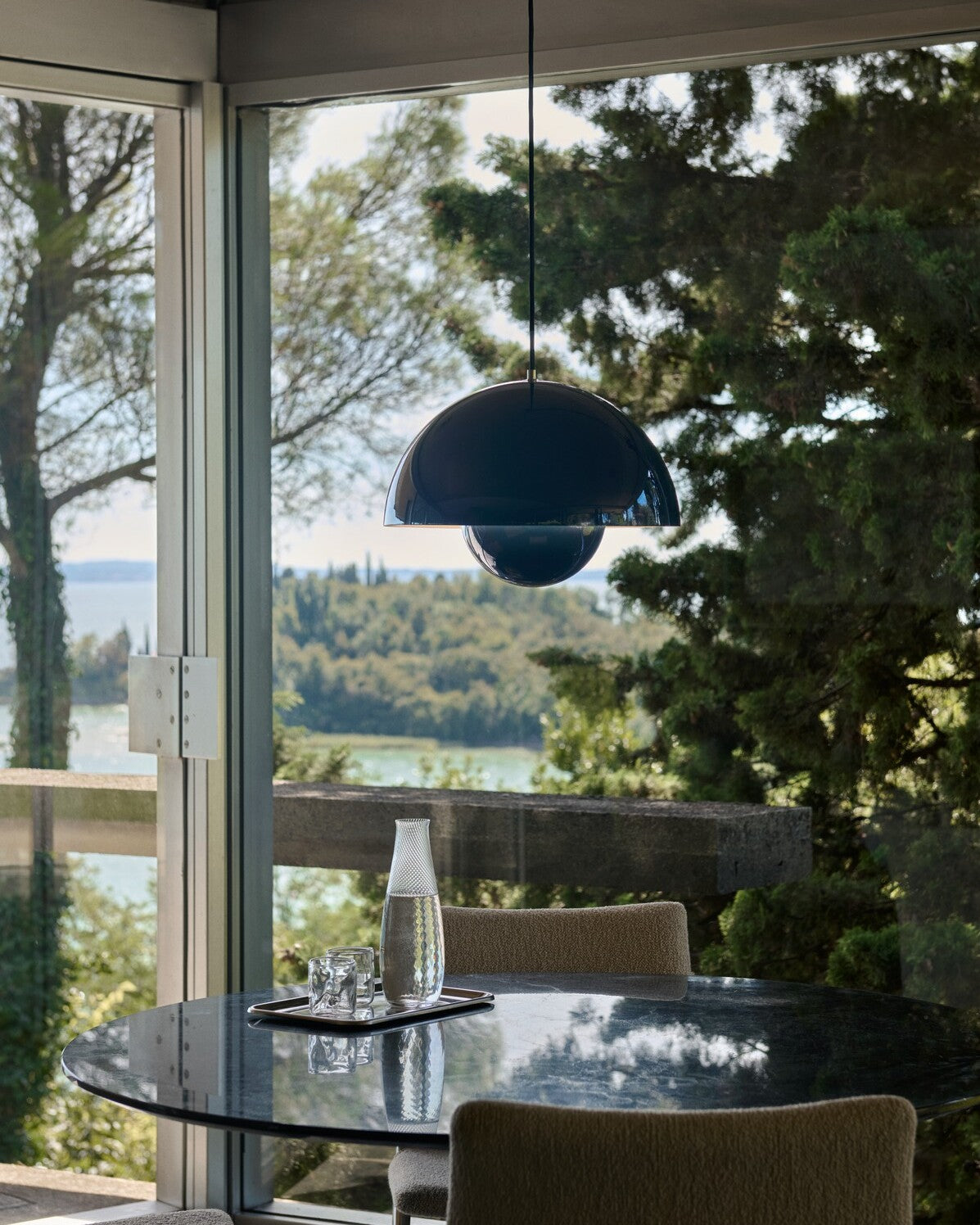
A portable lamp can bring useful light to places without a nearby socket, but the best model depends on where it will be used and how often it can be charged. Size and colour are easy to compare; brightness, controls and environmental suitability deserve just as much attention.
Where will you use the lamp?
Begin with the job the lamp needs to do. A lamp for a dining table should be low enough not to interrupt conversation and should cast light across the surface without glare. A bedside lamp needs simple controls in the dark. A lamp moved between shelves, desks and occasional tables benefits from a comfortable handle or easy-to-grip form.
Portable does not automatically mean suitable for every location. Check the manufacturer’s stated indoor or outdoor use and any ingress-protection information before taking a lamp into a garden or bathroom.
How bright should a portable lamp be?
Many portable lamps are designed primarily for atmosphere rather than as a replacement for task lighting. Consider whether you need to read, prepare food or simply add a warm pool of light.
Look for information about light output, colour temperature and direction. A shade that directs light downwards can illuminate a tabletop efficiently, while a diffused globe gives softer light in several directions. Brightness figures are most useful when comparing similar products, but the shade design will still affect how the lamp feels in the room.
Are dimming controls useful?
Multiple brightness settings make a portable lamp more versatile. A brighter level can support a meal or task, while a lower setting is gentler later in the evening and may extend the time between charges.
Check how the lamp is controlled. A button beneath the base may be discreet but inconvenient on a busy table; a touch control is quick, although its position should be easy to find without moving the lamp.
How long should the battery last?
Published running times are normally tied to a particular brightness level. Maximum output will generally use the battery faster than a low setting, so compare like with like and read the full specification.
Think about your routine. A lamp used for a few hours over dinner has different needs from one expected to last through several evenings. Rechargeable batteries also change over time, so follow the manufacturer’s guidance on charging and storage.
How does the lamp charge?
Portable lamps may use a cable, charging dock or dedicated base. A dock is convenient when the lamp returns to the same place; a standard cable may be easier when it moves around the home.
Check what is included in the box. A charging cable may be supplied without a mains adaptor, and replacement cables or docks may be product-specific. Position the charging point somewhere the lamp can sit safely without its cable crossing a route.
Can a portable lamp be used outdoors?
Only use a lamp outdoors if the product information explicitly permits it. Even then, “outdoor use” may not mean that it can be left outside in rain or stored outdoors permanently.
Follow the stated protection rating, operating conditions and storage advice. Bring the lamp inside when not in use unless the manufacturer says otherwise, and keep charging equipment in the environment for which it is designed.
What size works on a dining table?
A portable lamp should leave room for plates, glasses and serving dishes. Check both the base diameter and the widest part of the shade. The light source should not shine directly into diners’ eyes, and the lamp should remain stable if the table is knocked.
On a long table, two or three smaller lamps can distribute light more evenly than one larger fitting. Keep the arrangement simple enough that people can still see and reach across the table.
Choosing your portable lamp
Match the lamp to a specific use, then compare light direction, brightness settings, battery information and charging method. Finally, check its dimensions in the place it will spend most of its time.
Bring light where you need it. Explore our portable lamps, or contact us if you would like help comparing controls and specifications.